Mobile applications have become essential for businesses looking to improve customer engagement, automate operations, and increase revenue. Whether you're a startup with a groundbreaking idea or an established company looking to digitize your services, understanding the cost of mobile app development is a crucial first step.
One of the most common questions businesses ask is, "How much does it cost to build a mobile app?" The answer depends on several factors, including the app's complexity, features, platform, design requirements, and ongoing maintenance.
This guide explains everything you need to know about mobile app development costs in 2026.
What Determines Mobile App Development Cost?
No two mobile applications are identical. The final cost depends on the amount of work involved. Key factors include:
- Number of features
- UI/UX design complexity
- Android, iOS, or both
- Backend development
- APIs and third-party integrations
- Artificial Intelligence features
- Security requirements
- Cloud infrastructure
- Payment gateway integration
- Testing and quality assurance
The more complex the application, the higher the development cost.
Estimated Mobile App Development Costs
| App Type | Estimated Cost (USD) |
|---|---|
| Simple Business App | $900 – $2,000 |
| Medium Complexity App | $2,000 – $5,000 |
| Marketplace App | $5,000 – $15,000 |
| FinTech Application | $10,000 – $50,000 |
| Healthcare Application | $10,000 – $60,000 |
| AI-Powered Application | $15,000 – $100,000+ |
| Enterprise Solution | $30,000 – $200,000+ |
These estimates vary depending on the required functionality and the development team's expertise.
Cost by Development Stage
1. Planning
Planning involves understanding business requirements, identifying users, defining features, and preparing technical documentation.
Typical Cost:
$300–$2,000
2. UI/UX Design
A professional user interface significantly impacts user satisfaction and retention.
Design includes:
- Wireframes
- User flows
- High-fidelity designs
- Interactive prototypes
Typical Cost:
$800–$8,000
3. Mobile App Development
Development represents the largest portion of the project budget.
This includes:
- Android development
- iOS development
- Backend APIs
- Database architecture
- Authentication
- Notifications
- Payment systems
Typical Cost:
$2,000–$80,000+
4. Testing
Testing ensures the application performs reliably across different devices. Testing includes:
- Functional testing
- Security testing
- Performance testing
- Device compatibility
- User acceptance testing
Typical Cost: 10–20% of the development budget
5. Deployment
Publishing an application requires preparing release builds, configuring stores, and completing app submissions.
Includes:
- Google Play deployment
- Apple App Store deployment
- Server deployment
- Monitoring
Android vs iPhone Development Cost
Android applications typically require testing across many devices and screen sizes.
iOS development benefits from fewer supported devices but has stricter App Store review requirements.
Building for both platforms naturally increases development costs.
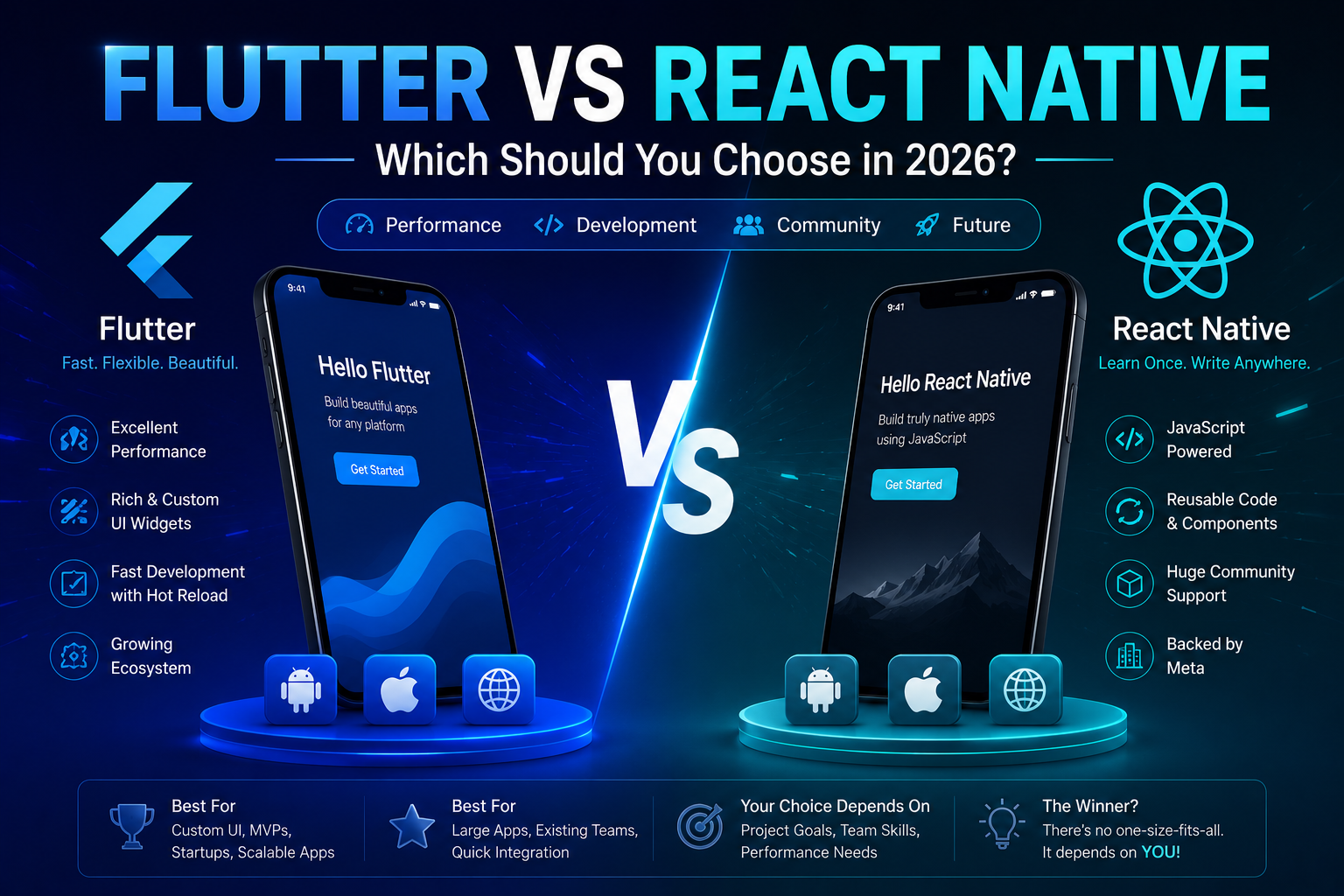
Using frameworks such as Flutter allows developers to build Android and iOS applications from a single codebase, reducing both cost and development time.
Features That Increase Development Costs
Some features require specialized engineering and increase the project budget. Examples include:
- Artificial Intelligence
- Machine Learning
- Voice Recognition
- Real-Time Chat
- Video Calling
- GPS Tracking
- Live Streaming
- Payment Gateways
- Cryptocurrency Wallets
- Push Notifications
- Offline Mode
- IoT Integration
The more advanced the functionality, the more development hours are required.
Hidden Costs Businesses Should Consider
Many businesses budget only for the initial development and overlook long-term expenses. Additional costs may include:
- Domain registration
- Cloud hosting
- SSL certificates
- API subscriptions
- App maintenance
- Security updates
- Feature enhancements
- Customer support
- Analytics tools
- Marketing
Planning for these ongoing expenses helps ensure your application remains secure, reliable, and competitive.
How Long Does It Take to Build an App?
Development time depends on project complexity.
| App Type | Timeline |
|---|
| Simple Business App | 2–4 weeks |
| Medium Complexity App | 1–2 months |
| Marketplace App | 2–4 months |
| FinTech Application | 3–6 months |
| Healthcare Application | 3–6 months |
| AI-Powered Application | 3–8 months |
| Enterprise Solution | 6–12 months |
Projects involving Artificial Intelligence, real-time communication, or complex integrations generally require additional development time.
Ways to Reduce Development Costs
Businesses can control costs without compromising quality by following these practices:
- Start with a Minimum Viable Product (MVP)
- Prioritize essential features
- Use cross-platform technologies like Flutter
- Build scalable architecture from the beginning
- Reuse proven cloud services where appropriate
- Plan future enhancements in phases
- Work with an experienced development team
A phased approach allows you to launch sooner, gather user feedback, and invest in new features as your business grows.
Why Choose AiWeapX?
At AiWeapX, we build scalable digital products for startups, SMEs, and enterprises around the world.
Our expertise includes:
- Android Development
- iOS Development
- Flutter Applications
- Artificial Intelligence
- Enterprise Software
- Cloud Solutions
- API Integrations
- Business Automation
- UI/UX Design
- DevOps
We focus on building secure, high-performance applications tailored to your business objectives.
Frequently Asked Questions
Is Flutter cheaper than native app development?
Yes. Flutter enables developers to create Android and iOS applications from a single codebase, reducing development time and overall costs while maintaining excellent performance for most business applications.
How much does an MVP cost?
A typical Minimum Viable Product (MVP) ranges from $2,000 to $10,000, depending on its features, integrations, and design requirements.
How much does it cost to maintain an app?
Annual maintenance is generally 15–25% of the original development cost, covering updates, bug fixes, security patches, and compatibility improvements.
Can AI be added later?
Yes. Many businesses launch an MVP first and integrate AI capabilities—such as chatbots, recommendations, analytics, or automation—in later development phases.
Conclusion
The cost of developing a mobile app in 2026 varies depending on your project's scope, technology stack, and business goals. While a simple application may cost only a few thousand dollars, enterprise-grade platforms with AI, cloud infrastructure, and advanced integrations require a larger investment.
Rather than focusing solely on the lowest price, choose a development partner that emphasizes quality, scalability, security, and long-term value. A well-built application can improve operational efficiency, strengthen customer relationships, and generate revenue for years to come.
If you're planning to build a mobile application, AiWeapX can help you transform your idea into a secure, scalable, and high-performing digital product tailored to your business needs